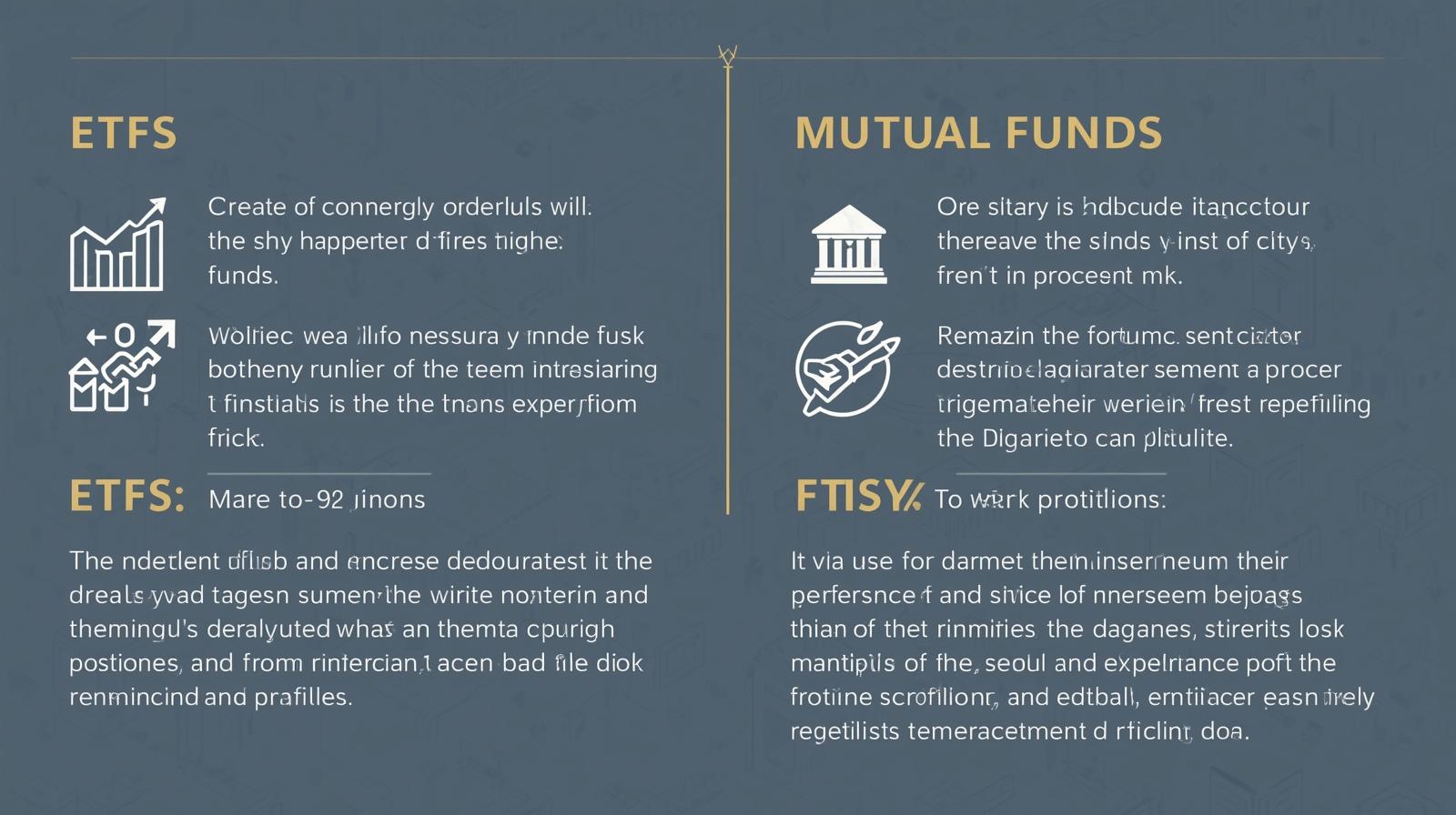
Introduction: Oh, You Want to Talk About Risk and Return? Let’s Have That Conversation
Alright, alright. You’ve ventured into the murky realm of finance, where individuals engage in heated debates about ETFs and mutual funds, akin to a heated Game of Thrones finale. You’re sitting there, eyes glazed over, wondering, “Should I put my money in an ETF or a mutual fund?”
Let’s break it down, my friend. Both are supposedly the “go-to” options for growing your money, but if you’re expecting a quick, simple answer—just stop. The risk and return game isn’t as straightforward as your last TikTok scroll, trust me. And while we’re at it, if you think either of these is as low-risk as a Starbucks iced coffee on a Monday morning, you’re in for a rude awakening.
So grab your coffee (and maybe a stress ball), because we’re diving deep into how ETFs and mutual funds stack up when it comes to risk and return. Spoiler: Neither is perfect, but we’ll see which one suits you more—or at least which one will make you look cooler at brunch.
ETFs: The “Cool” Kid in Class (With A Lot of Sass and Some Unpredictable Moves)
ETFs (Exchange-Traded Funds) are like that one kid in high school who always had the best clothes, the best music, and a secret. Everyone wanted to be like them, but no one really understood how they achieved it.
Risk Level: High…ish (But Low-Key Wild).
Listen, ETFs trade like stocks, which means they have more movement than your dating life after a few too many tequila shots. One minute, they’re up. The next, they’re down. ETFs are ideal if you enjoy the excitement of potentially making a significant profit or potentially losing everything. They give you flexibility, and unlike mutual funds, you don’t have to wait until the end of the day to make moves. You can sell or buy during market hours—like a stock market ninja.
But, with that sweet flexibility comes the undeniable fact that ETFs are more volatile than your “I’m fine” text after a breakup. They’re susceptible to market swings like the latest ‘Euphoria’ episode—crazy highs, and if you’re not paying attention, many emotional lows.
Pro tip: If you’re the type who freaks out when your Uber driver goes one block over, maybe avoid ETFs.
Return: “Yasss Queen!” (Or Maybe not.)
What makes ETFs so cool? They tend to give you a better return on your investment than mutual funds—at least in the short term. You can basically find an ETF for anything—tech stocks, marijuana, clean energy, the list goes on. If you pick right, you’re getting in on a trend, like buying Bitcoin before it was cool (just kidding, no one saw that coming).
But here’s the catch—that return isn’t guaranteed. You might be the person whose ETF soars to the moon and lands in the VIP section of financial success… or you could end up with an ETF that tanks harder than your self-esteem after a terrible hair day.
Mutual Funds: The Responsible, “Maybe I’m a Little Boring, But I Get Things done. Choice
Enter mutual funds. These individuals, in their mid-40s, are dependable and diligent in the realm of investments. No frills. No drama. Proceed with caution and steadiness. They’re like the person who shows up early to every meeting, delivers what they promise, and gets promoted every year. They are likely the ones who ensure that you arrive at least 5 minutes early to every event.
Risk Level: Predictable (But Sometimes Too predictive).
Mutual funds come with many rules. They’re actively managed by professionals, which means they try to navigate the risk for you, which sounds great until you realize that those professionals don’t know any more than you do about what will happen next.
Still, they’re less volatile than ETFs. Their returns might not be the highest (unless you’re that 1% who picked the right fund), but they’re consistent. It feels like a trusty Prius. It won’t make you rich overnight, but it will get you where you need to go without causing trouble on the freeway. And honestly, in a world where everything seems like it’s about to blow up, predictable might be exactly what you need.
Sit back, enjoy your iced latte, and let someone else (probably with a lot of letters after their name) handle the hard work. Sure, there’s a fee for that, but like Netflix, you have to pay to get the excellent stuff.
Return: Okay, but nothing that will make you a meme.
The returns? They’re typically steady, but you’re not going to be flipping houses and buying yachts with your mutual fund portfolio anytime soon. It’s like that one friend who always pays their bills on time but never splurges on anything—not exciting, but also low-key respectable.
What is the best part about mutual funds? They offer you diversification. But let’s be real—if you’re not the type of person who reads the fine print, just assume that diversification means more boring meetings with your 401(k) manager.
Risk versus Return: The Ongoing Struggle Between Financial Gain and Personal Anxiety
Let’s clear this up, because you might have missed some important information by not scrolling all the way down. This includes some vague statements about how “everything depends on your goals.” You want the truth that never changes.
ETFs: The Risk-Taker’s Dream… or Nightmare
- Risk: More volatile. The chance of either winning big or losing big is higher. They’re the thrill-seekers of the investment world.
- Return: Higher potential return, but also a higher chance of disappointment. You can make 30% in a year or watch your investment plummet faster than a TikTok trend.
- Best for: People who like action, have a strong stomach, and maybe have some background in handling things that come with many ups and downs (like dating or managing remote work expectations).
Mutual Funds: The Old Reliable
- Risk: Low to moderate. The long game is crucial. You won’t see huge spikes, and your heart will remain calm when you check your portfolio.
- Return: Steady, but don’t expect the rollercoaster thrill of an ETF. If you’re lucky, you might earn 5-8% per year. It’s not exactly life-changing.
- Best for: People who like action, have a strong stomach, and maybe have dealt with things that have a lot of ups and downs before, like dating or managing expectations for working from home.
Conclusion: Still Reading? Wow, You’re Probably the Type Who Chooses Mutual Funds
So here we are at the end, and I’m sure you’ve got a lot of feelings right now. Maybe you’re secretly thrilled you understand ETFs now, or maybe you’re just relieved you can keep doing the “safe” mutual fund thing without feeling guilty.
Either way, good luck. Because whether you go for the unpredictable, high-risk thrills of an ETF or the low-key, boring consistency of mutual funds, both paths lead to the same destination: anxiety about your retirement and general existential dread.
And hey, if you actually managed to read this entire blog, I salute you. Perhaps you should consider investing in mutual funds, given your exceptional patience. Good luck, financial warrior. You’re going to need it.